At the end of the lease the question often arises; what can the tenant take with them? There are three types of object concerned; chattels, tenant’s fixtures and landlord’s fixtures.
The point of a chattel is that it is a piece of personal property and it is intended that you take it with you. Obvious examples include personal effects, tools of a trade or small decorative items not affixed to the property. All items start their life as a chattel, they may then be affixed a piece of land (affixed to property in common parlance), upon which they become a tenant’s fixture or a landlord’s fixture. Tenants then have the right to take tenant’s fixtures with them at any time, while landlord’s fixtures are the property of the landlord at lease-end.
Tenant’s fixtures are chattels of the tenant that have been affixed to the land, which can be removed without causing substantial damage. Landlord’s fixtures are any other fixture, installed by the landlord either at the beginning or during the lease, or any installation by the tenant that replaces the function of a pre-existing landlord’s fixture.
Indeed the principle of tenant’s fixtures being identified by their removal without damage being done holds fast. In Webb v Frank Bevis [1940] even a large shed was held to remain a tenant’s fixture, and in Peel Land and Property (Ports No 3) Limited –v- TS Sheerness Steel Limited (2013) very large parts of a steelworks were held to be the property of the outgoing tenant.
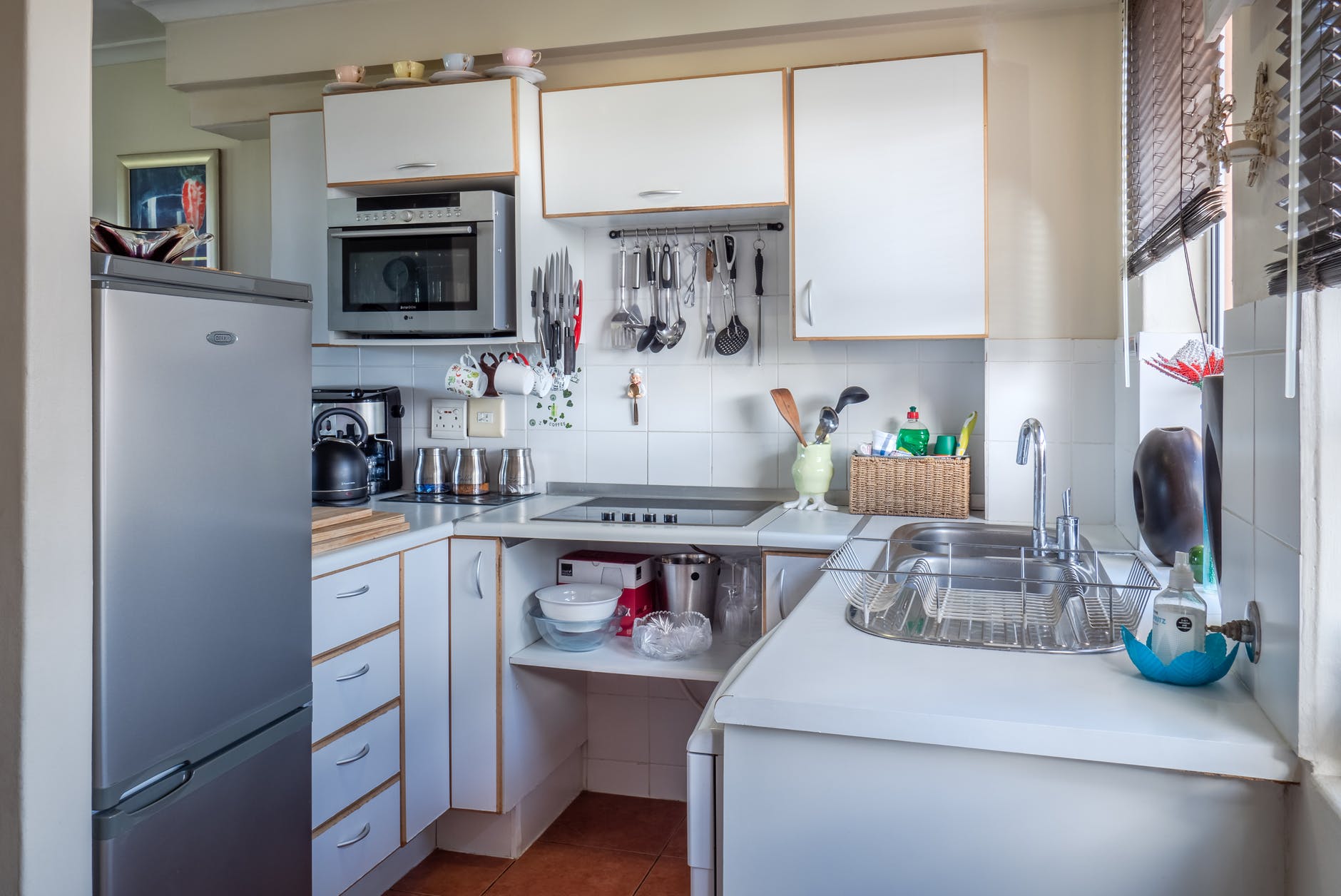
Most of the items we think of removing from a property are in fact chattels. For example, it is fairly firmly embedded that white goods such as fridges, microwave ovens and washing machines are ours to take at the end of a tenancy. Instinctively we know it unwise to attempt to remove bathroom porcelain when leaving, in the knowledge that it is somewhat brittle, probably was installed to replace previous facilities, and may leave behind a plumbing conundrum.
The real battle begins when distinguishing between chattels and fixtures in general. But why would we want to make this distinction; the above conventions set out clearly what is the tenant’s to take away at the end of a tenancy? The reason why it is important is that the terms of a mortgage over a property often catch ‘all fixtures,’ and when the unfortunate time comes for the mortgagee to foreclose, the terms ‘tenant’s fixture’ and ‘landlord’s’ fixture’ become irrelevant, the relevant distinction instead existing between fixtures and chattels.
The simple idea that fixtures are fixed and chattels are not only holds true in specific cases. Indeed there is a general convention that machines in factories that are affixed to the floor are fixtures. This has remained the case ever since Holland v Hodgson (1872), where looms attached to the floor of the factory were considered fixtures.
On the other hand, another oft-quoted case is Lyon & Co. v. London City and Midland Bank [1903]. This time, chairs which were affixed to the floor of a hippodrome (theatre) were considered to be chattels. This case is something of a red-herring in rebutting the relevance of the fixedness test of Holland v Hodgson; for a start, the chairs were on a hire purchase agreement, and so never actually became the property of the mortgagor.
In the case Botham v TSB Bank plc [1996] the distinction between fixtures and chattels in a residential setting was made. Interestingly while a bathtub and connected taps are attributed fixture status, Roch LJ concedes that he can imagine a Victorian bath, standing on four legs, might be a chattel.
A more interesting case is Vaudeville Electric Cinema Limited v Muriset [1923]. This concerned a cinema, and the items in question were the cinema screen, two oil frescoes in the hall of the cinema, advertising boards outside the entrance and 477 plush tip-up seats. The conclusion was that these were all fixtures, and the justification from Sargent J was:
“To my mind they are all fixtures; for, although they can be removed, still they are attached to and form part of the building, and are part of the ordinary equipment of the building for the purpose for which it was used and was intended to be used. It is quite clear that the cinema must have a screen on which images are through. The paintings or frescoes, in my judgement, form part of the permanent decoration of the hall; and in the same way, the advertising boards outside, fixed as they are, form part of the permanent structure and ordinary adjuncts of the hall as a cinema.”
The degree of irremovability of the frescoes obviously justifies their remaining where they are. The key idea to be highlighted here is that the objects were fixtures because they in some way facilitated the use of the building for its intended purpose.

In contrast, where items are placed or affixed for the purpose of their own enjoyment rather than that of the building itself they should be chattels. In fact, going back to the original judgement of Blackburn J in Holland v Hodgson;
“The tests,… seem to be the purpose of the item and the purpose of the link between the item and the building. If the item… is, intended to be permanent and to afford a lasting improvement to the building, the thing will have become a fixture. If the attachment is temporary and is no more than is necessary for the item to be used and enjoyed, then it will remain a chattel… The ability to remove an item… is another indicator.”
If we look back through all the judgements made in deciding chattels from fixtures, the principal methods of determining whether an object is a fixture or a chattel is the degree of annexation to the land. When this method starts to fail the only vein of logic that seems consistent is that chattels are present for their own enjoyment, whereas fixtures are there to facilitate the enjoyment of the building at large.

Continuing with this, an unfixed statue which formed the centrepiece of a room or garden of a country house would be considered a fixture, whereas a single more minor bust on a table among other decorations would remain a chattel; see D’Eyncourt v Gregory (1866). We can even integrate the case Lyon & Co v London City and Midland Bank, with the chairs in the hippodrome: the chairs were chattels, because their annexation was as Joyce J said; “for the more complete enjoyment and use of the chattel as a chattel.”
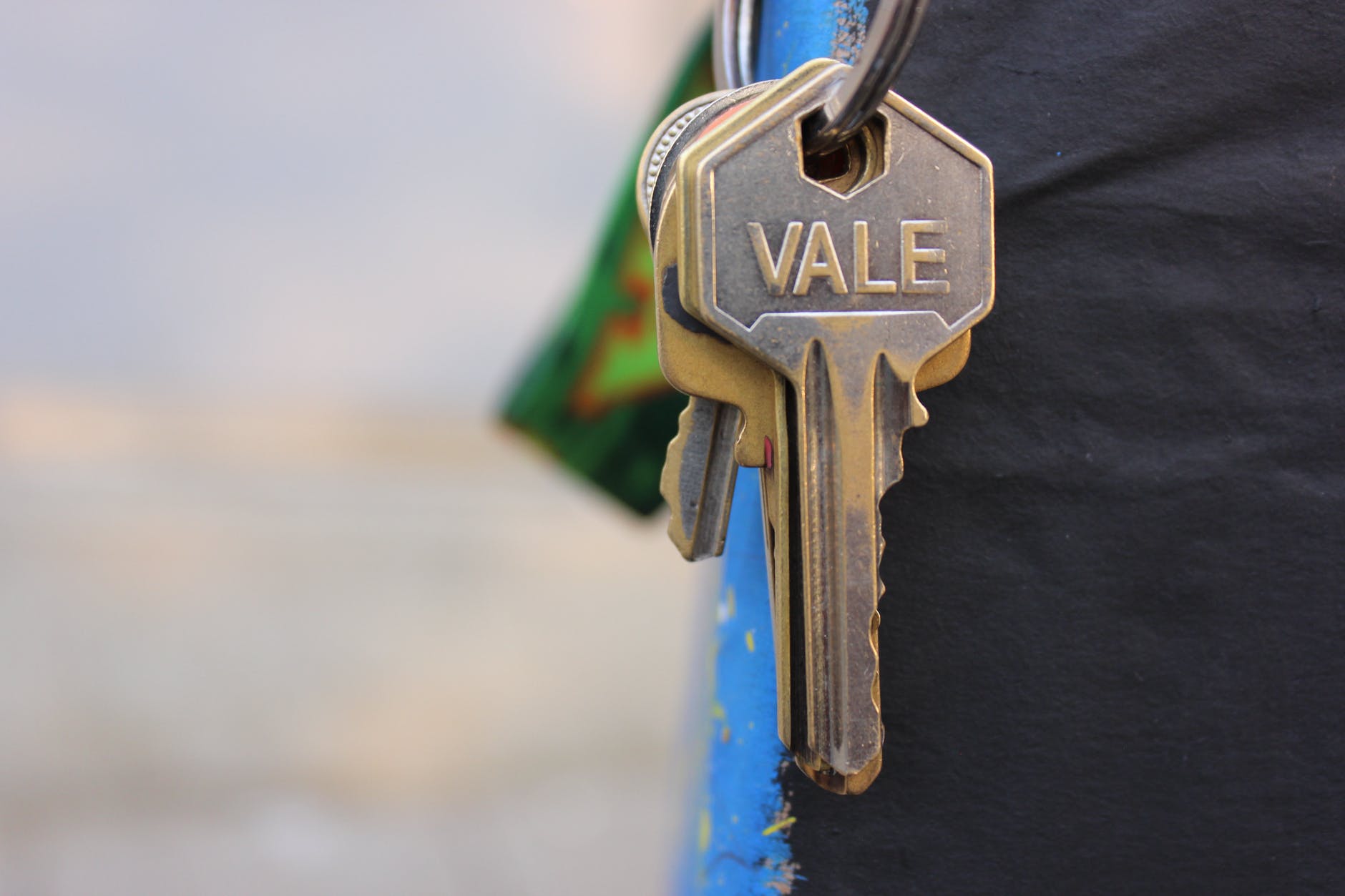
Putting the issue of annexation aside slightly, it could be argued that certain necessities in a building which facilitate its use are fixtures rather than chattels. Keys to the building might be considered a fixture rather than a chattel, they are absolutely necessary and are transferred with ownership of a building; there is no attempt to sell them separately. And finally what about toilet roll? This clearly facilitates the use of a building and is not celebrated by itself in any sense without a convenience to make its use necessary. It would certainly be helpful if the outgoing tenants left some behind…

Cases:
Webb v Frank Bevis Ltd [1940] 1 All ER 247
Peel Land and Property (Ports No 3) Limited –v- TS Sheerness Steel Limited [2013] EWHC 2689 (Ch)
Holland v Hodgson (1872) LR 7 CP 328
Lyon & Co v London City and Midland Bank [1903] 2 KB 135
Botham v TSB Bank plc [1996] EGCS 149 CA
Vaudeville Electric Cinema v Muriset [1923] 2 Ch 74
D’Eyncourt v Gregory (1866) LR 3 Eq 382
Bibliography:
Jourdan, S. Battles about Chattels – fixtures and chattels in dilapidations disputes. https://www.falcon-chambers.com/images/uploads/articles/Battles_about_chattels.pdf
 Landed
Leave a comment